House size is a rough starting point; electricity records describe how the property is actually used. Two similar homes can have different demand because of occupancy, heating, EV charging or equipment. Start with consumption in kWh, then explain any planned change rather than guessing it into a larger array.
Build a complete annual record
Collect bills or retailer usage exports covering a full year without overlapping periods. Add the consumption in kWh and retain the date range. A dollar total cannot substitute for kWh because rates and fixed charges can change while consumption stays the same.
If a bill uses an estimated reading or covers an unusual period, flag it. Vacancies, construction, a new household or a change in heating can make one year unrepresentative. Keep the evidence and discuss the appropriate record with the distributor and designer.
| Input | What to record |
|---|---|
| Annual demand | kWh total and exact date range |
| Metering gaps | Missing, estimated or overlapping periods |
| Occupancy | Vacancies or substantial household changes |
| Current electrical loads | EV, heat pump, workshop or other major equipment |
| Planned changes | Separate estimates with timing and supporting assumptions |
Estimate future loads separately
For an EV, a planning estimate can use annual distance multiplied by expected energy consumption per distance, with charging losses considered by the model author. For a heat pump, use a property-specific assessment rather than multiplying the house area by an unexplained factor.
Label each new-load number with its source and whether the equipment is planned or already operating. A hypothetical future EV used infrequently should not be treated as the same demand as a high-mileage daily vehicle. This separation also helps the electrical designer review charging and service capacity independently from annual solar production.
Compare capacity and generation
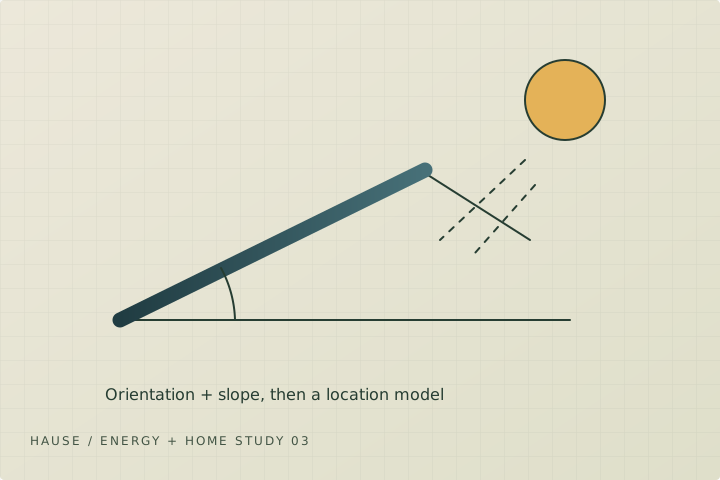
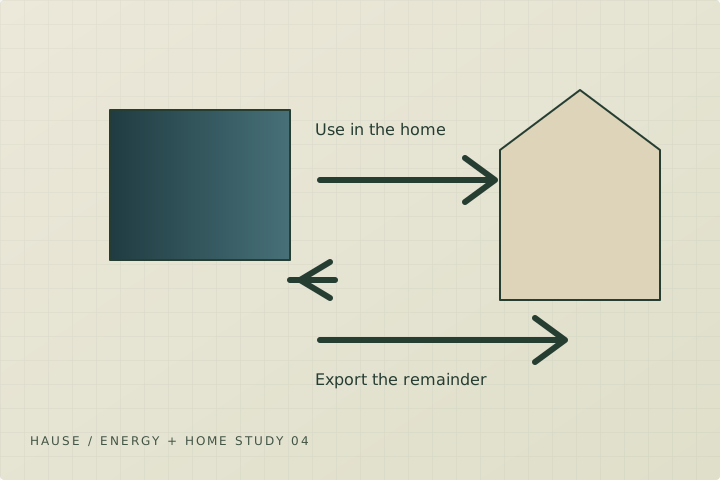
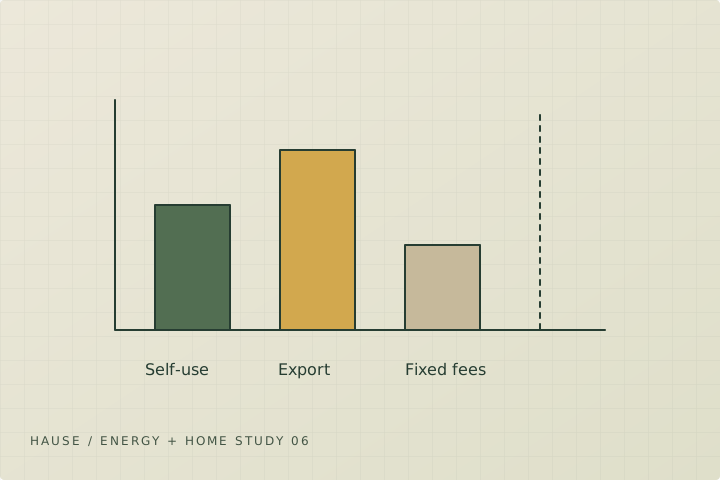
The proposed module capacity in kW and annual generation in kWh should be connected by a declared yield assumption. Review the ratio of modelled generation to supported annual demand, but do not mistake that ratio for on-site use. Energy can still be exported during some hours and imported during others.
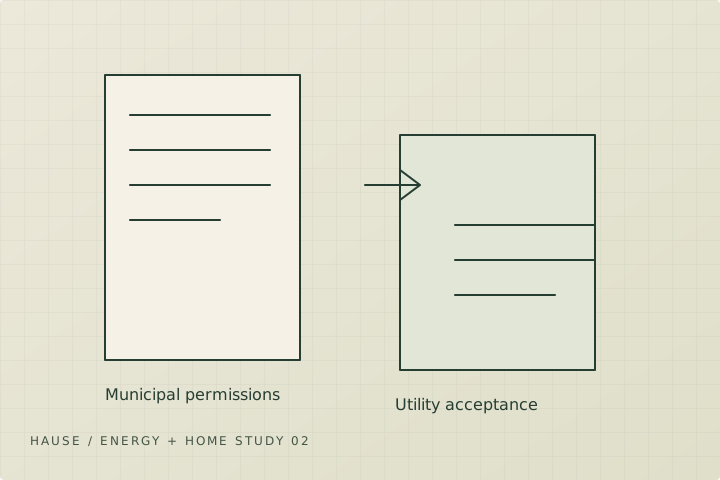
The AUC describes micro-generation as intended to meet all or part of existing annual energy needs at the eligible site or aggregated sites. Ask the actual distributor how it evaluates your evidence and future-load proposal. An oversized calculator output does not establish connection eligibility.
Create a brief the designer can revise
Send the demand record, planned loads and roof facts together. Mark any assumption that is still uncertain. A useful proposal can then show what changes if that assumption is lower, delayed or absent.
If a quote recommends the roof's maximum module count, ask how the recommendation follows from your consumption evidence and connection requirements. The answer should be visible in the design record, not buried in a sales headline.
- Full-year kWh record retained.
- Unusual billing or occupancy periods identified.
- Planned loads shown separately.
- Generation and demand comparison explained.
- Distributor sizing review assigned.
Sources + further reading
Source review: 2026-10-04. Requirements and programs can change; confirm the current details with the authority or provider.