Understand your roof
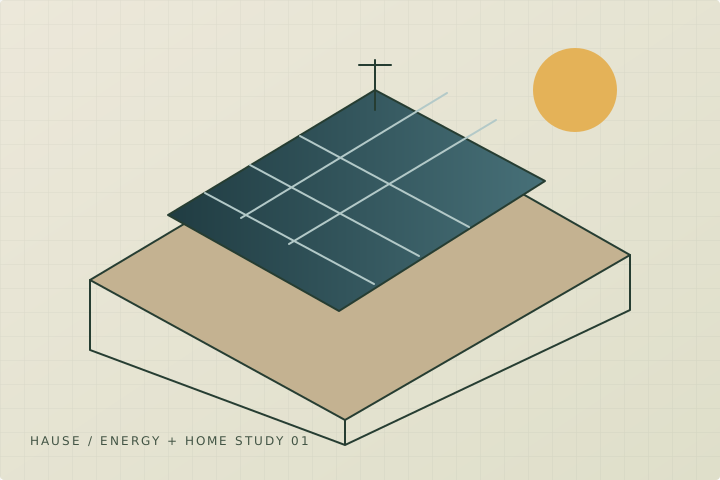
Bring the roof age, shape, nearby shade and any planned roofing work into the first discussion.
HAUSE / Solar installation planning
Bring the roof, equipment, permits and connection process together. Prepare your solar installation brief and request a site-specific review through HAUSE.
Before you choose
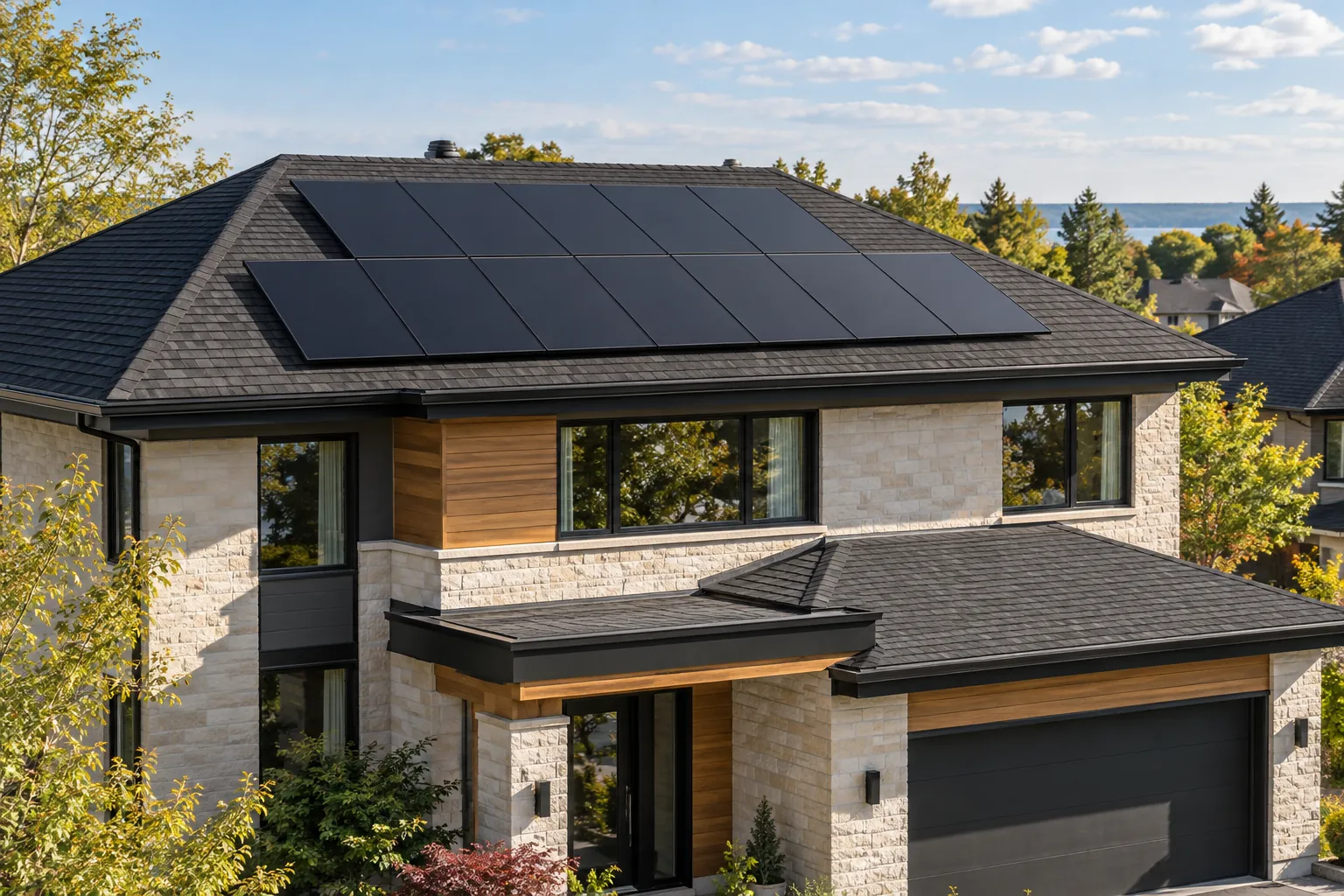
Solar decisions become clearer when roof condition, household electricity use and the proposed equipment are considered together. A bigger array is not automatically the right array, and an annual generation figure does not tell you when the energy will be used.
Use the planning tools to compare assumptions. The next step is a property-specific design, a written quote and the applicable permit and distributor reviews. Intake requests help assemble that brief; they do not approve a connection or book an installation.
Project pathways
Bring the roof age, shape, nearby shade and any planned roofing work into the first discussion.
Start with a full year of kWh records and separately document planned electric loads.
Ask how generation, on-site use, export credits, fees and financing were calculated.
Start here
Installation planning 01
Understand the decisions and documents that connect site review, design, permits, installation and monitoring.
Read the guidePermits & connection 02
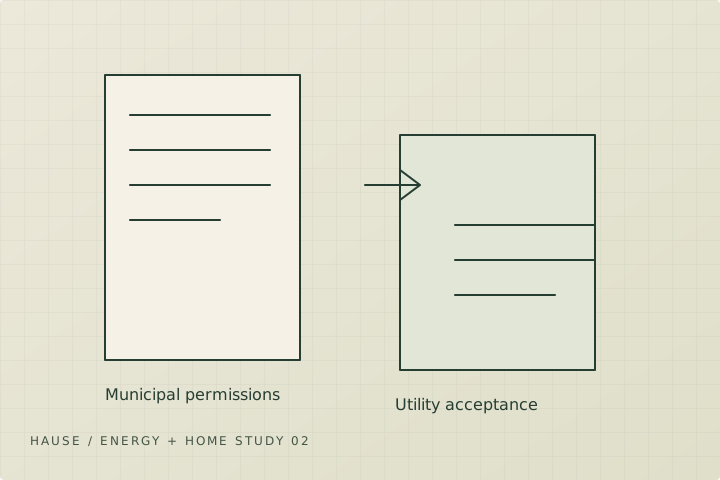
Identify the contractor permit, site conditions and distributor documents that a Calgary solar proposal should address.
Read the guideRoof & site 05
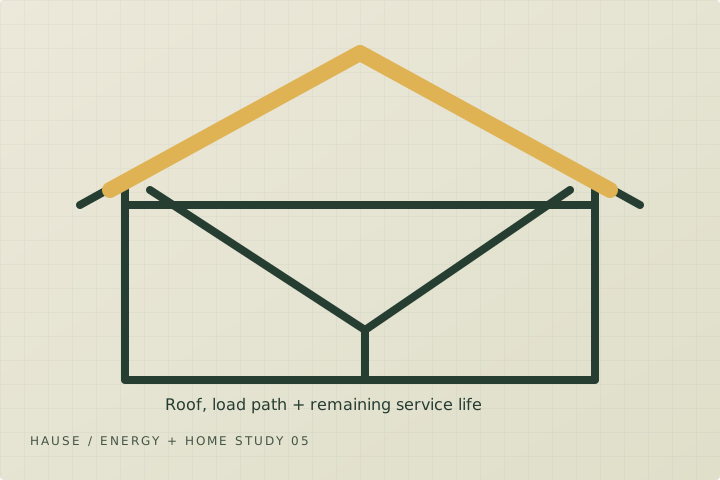
Bring roof condition, replacement plans, attachments and future service access into the solar brief.
Read the guideMake the plan tangible
Compare array capacity and an entered annual yield with household electricity use.
Solar generation planner ↗Common questions
No. This tool uses your entered inputs. Roof geometry, shade, structure, setbacks, attachments and equipment selection need a current property-specific review.
No such result is established. Production timing, on-site use, export terms, imported electricity and continuing charges all affect the bill.
The official federal pages identify both programs as closed. The Loan's last application day was October 1, 2025, and the Grant's final document-upload day was December 31, 2025. Check the program administrator for any separate current offering.
CEIP is financing repaid through the property-tax mechanism, including applicable interest. Eligibility, contractor requirements and application windows must be checked before work begins.
Backup capability must be designed and specified. Ask for supported circuits, usable storage, transfer/islanding equipment and operating limits rather than assuming the array will power the home during an outage.
Use HAUSE intake with the property location, electricity records, roof information and project goal. A request starts review; installation availability, scope and approvals must be confirmed separately.
HAUSE offers independent solar information and intake. Compare your bill, roof, utility rules and written provider quotations before deciding on a system.
Prepare a Project BriefExamples of equipment brands to compare. No supplier partnership or product endorsement is implied.
Start with your own electricity use and tariff, the condition of the roof and a project-specific generation estimate. Solar value depends on those details and on how the system is funded and maintained.
The Canada Greener Homes Loan is closed to new applications. Compare current financing terms separately from any rebate; borrowed money must be repaid.
Discuss roof life, permits, ownership, equipment documentation and any future sale or transfer requirements. No property-value increase is promised.
Ask your actual utility how exports are valued, which charges remain, and how credits expire or settle. Generation does not automatically eliminate the whole bill.
A clearer next step
Tell HAUSE what you are planning, what you have observed and the decision you need help with.
Start a service request