A solar project has several approvals and handoffs. A proposal may show attractive annual production while leaving the roofing plan or grid application unclear. Organize the project as a sequence of decisions so you know what is being approved at each stage and who is responsible for it.
Start with the household and property brief
Collect a full year of electricity consumption in kWh, your service-site information and photographs of the roof from safe ground-level positions. Note roof age, repairs, leaks and any planned roof replacement. Describe the reason for the project: lower purchased energy, future electrification, backup capability or a combination.
Keep existing use and planned future use on separate lines. An EV, heat pump, tenant change or workshop can alter demand, but a new load should be supported by a clear assumption rather than guessed into the annual total. The distributor's sizing requirements still need to be met.
- Twelve months of kWh usage and billing dates.
- Roof age, condition and planned work.
- Shade from trees, chimneys and neighbouring structures.
- Existing service/panel details gathered without opening electrical equipment.
- Future loads and the evidence behind their estimates.
Approve a design before approving a result
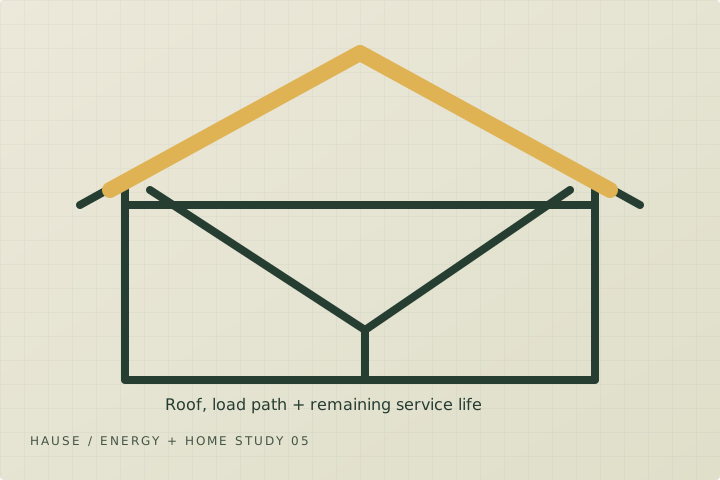
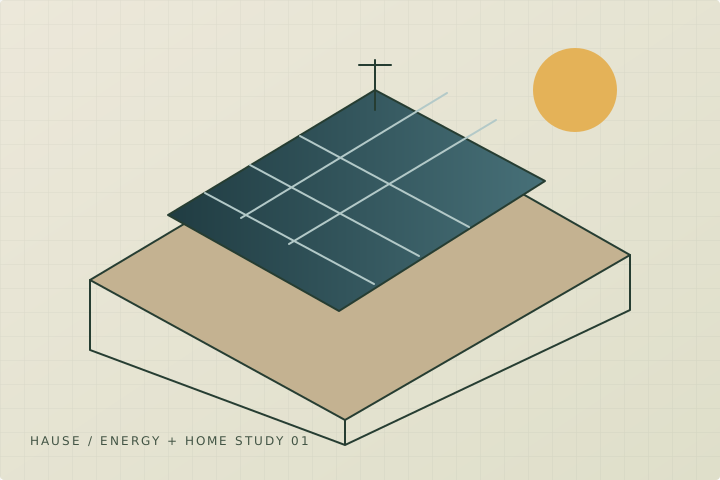
A useful design identifies the roof planes, module positions, exact equipment and the route to the electrical connection. Ask which roof areas are excluded and why. Review attachments, water-shedding details, access and the responsibilities for roof warranty coordination.
The generation estimate should travel with that layout. Ask which weather data, orientation, shading and loss assumptions produced it. A regional solar-resource estimate helps start the conversation; it cannot confirm an individual roof's usable area or hidden condition.
Track municipal and distributor work separately
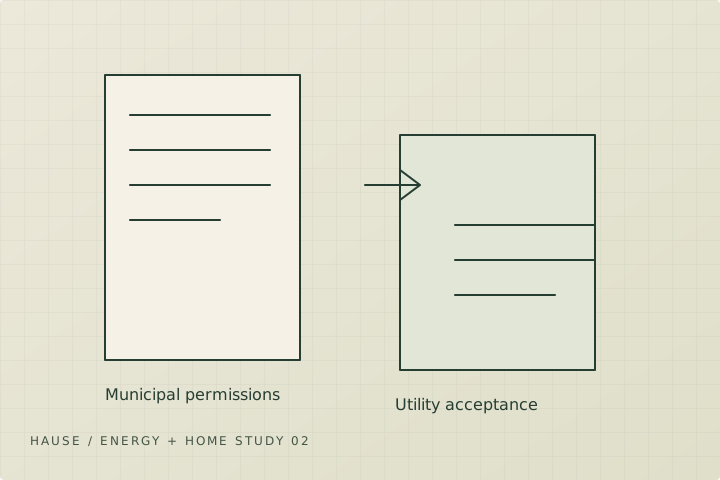
Municipal safety approvals and utility interconnection are different processes. In Calgary, photovoltaic work requires the appropriate contractor electrical permit; other approvals depend on the site and scope. ENMAX Power separately reviews a connection application within its service area. Outside that area, use the actual distributor's process.
Make a responsibility sheet with the application owner, required documents, acceptance status and inspection/energization steps. Do not assume a permit receipt proves utility acceptance or that a utility notice proves the installed work has passed inspection.
| Project milestone | Evidence to retain |
|---|---|
| Site and roof review | Condition notes and any required specialist assessment |
| Final design | Array layout, equipment list and single-line diagram |
| Approvals | Applicable permits and distributor correspondence |
| Installation and inspection | Inspection results, corrections and permission/conditions for operation |
| Handover | As-built records, monitoring access, warranties and service contacts |
Plan the handover while the scope is being priced
Ask who creates the monitoring account and whether you retain access if the installer changes. Keep module and inverter serial records, drawings, inspection documents, warranty terms and roof-attachment information together. Confirm what normal monitoring should show and whom to contact when an alert appears.
A hypothetical homeowner replacing a worn roof next year may decide to finish the roof work before solar installation. That choice should be made in the first brief so removal and reinstall costs are not an unwelcome discovery after the array is complete.
Sources + further reading
Source review: 2026-10-04. Requirements and programs can change; confirm the current details with the authority or provider.