The lowest solar quote may include a different array, a different inverter approach or a shorter construction scope. Put the designs side by side before comparing price. A useful proposal tells you what will be installed, what work supports it and which performance assumptions remain estimates.
Identify the exact system
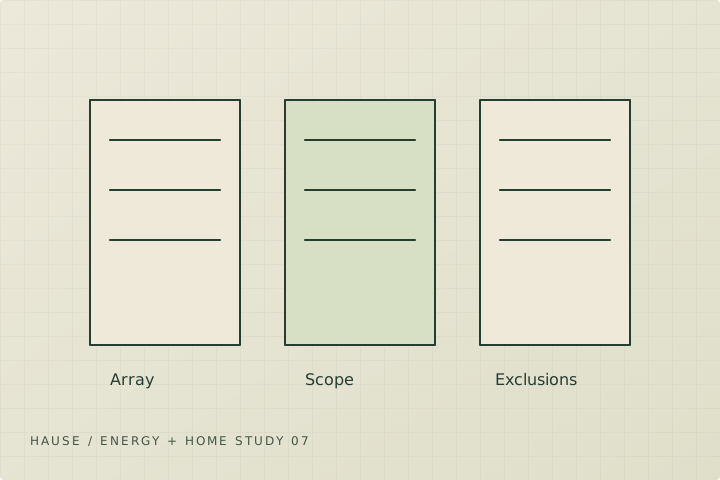
Record module model, count and rated wattage; inverter model and AC rating; racking and attachment system; and the final array layout. DC module capacity and AC inverter capacity are different numbers. Ask the designer to explain their relationship and any expected clipping or operating limitations.
Review whether monitoring, rapid-shutdown components where required, disconnects, cable routing and other supporting equipment are included. A broad label such as 'premium panels' is less useful than an exact product list that can be checked against the drawings.
- Exact equipment models and capacity units.
- Array placement and excluded roof areas.
- Attachment and weatherproofing approach.
- Electrical connection route and any panel/service work.
- Monitoring equipment, account ownership and access.
Separate construction from approvals
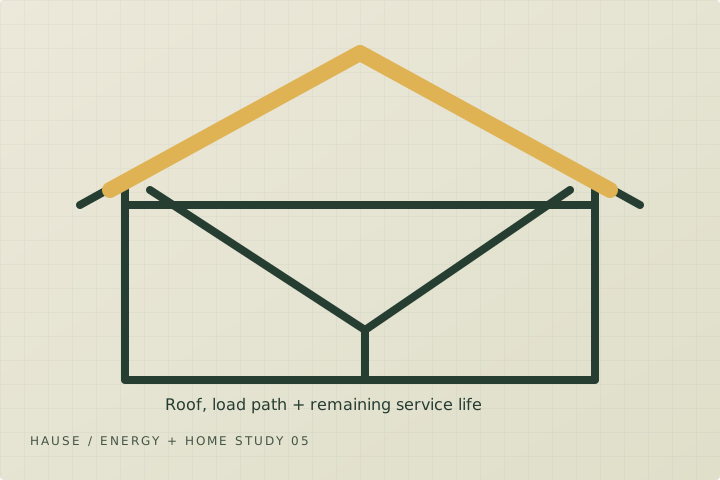
Read the scope for roof repairs, structural review, engineering, permits, inspections, distributor application, metering and commissioning. Ask whether each item is included, an allowance or an exclusion. Identify who responds to drawing revisions and who pays for unexpected required work.
If the quote assumes the existing roof or electrical service is suitable, ask what assessment supports that assumption. Define how discoveries are documented and approved before additional work proceeds.
Normalize the generation and value model
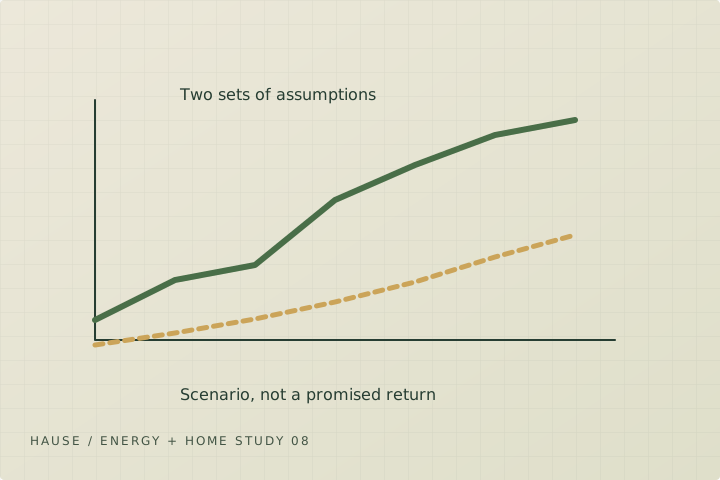
Compare annual production using the same roof facts and ask for the model inputs. A higher annual yield can make a more expensive system appear to recover faster, but the supporting method needs to be credible. Keep equipment output warranties separate from a proposal's household-bill estimate.
Recalculate proposals using the same on-site-use fraction, import value, export rate, operating allowance and confirmed incentive. A quote that relies on a favourable future rate or assumed grant should show a separate case without it. Our scenario tool makes those changes explicit; it does not endorse one proposal.
Read the obligations after installation
Compare workmanship, equipment and performance warranty documents individually. Check who is responsible for labour, removal/reinstall, shipping, troubleshooting and a roof repair associated with an attachment. A long headline warranty period can still have important exclusions.
Ask who provides service if the original installer is unavailable, whether monitoring subscriptions apply and what closeout records you receive. For a hypothetical pair of similarly sized systems, those service obligations may matter more than a small difference in price per watt.
| Quote category | Common comparison question |
|---|---|
| System | Are equipment and roof layout comparable? |
| Construction | Are supporting roof/electrical works included? |
| Approvals | Who owns each application, revision and inspection? |
| Economics | Are the same yield, rates and cost assumptions used? |
| Service | Who handles faults and which costs are covered? |
Sources + further reading
- City of Calgary: Residential solar collectors
- City of Calgary: Solar photovoltaic permit checklist
- ENMAX Power: Connect a micro-generator
- Alberta Utilities Commission: Rule 024
- Alberta Utilities Commission: Micro-generation FAQs
- Alberta Utilities Consumer Advocate: Micro-generation
- Natural Resources Canada: Solar photovoltaic energy tools
- City of Calgary: Residential solar calculator
- Natural Resources Canada: Closed Canada Greener Homes Grant
- Natural Resources Canada: Closed Canada Greener Homes Loan
- City of Calgary: Residential Clean Energy Improvement Program
- Natural Resources Canada: Planning and decision guide for solar PV systems
Source review: 2026-10-04. Requirements and programs can change; confirm the current details with the authority or provider.